
2.8t Carbon intake
Filed under: CNC / R&D Parts, Powertrain, Turbo X
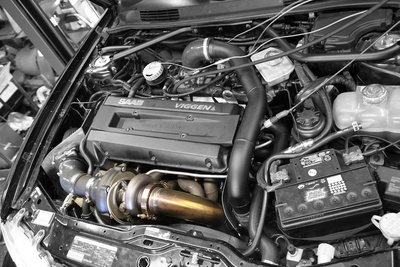
Final testing on the production version of the newV6 intake looks great. We had previously modified the stock air intake system by removing the restrictive feed tubes. This does bias this test by making the stock box better than 100% stock setup. The carbon parts have been tested all summer. We recorded AIR temps of 109f during that.. We also simplified the installation and there is no extra hardware needed. Just a socket for the hose clamps is all you need. You can get the american made kit here Air Intake V6 2.8t Carbon Taliaferro
Now we can move on to getting rid of this “training ‘turbo and on to something that will pull up towards redline.
-
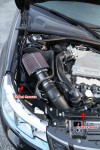
- Additional sensor placement for testing
-
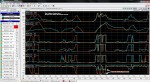
- Some of the data collected with the extra AIM Evo4 instrumentation.
-
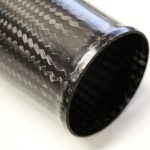
- Reinforced hose barb built into the carbon filter adaptor tube. Smooth on the inside for best flow though.
-
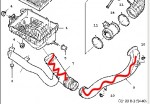
- Stock airbox was tested without the restrictive snorkel.
-
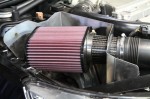
- We used a large oval filter for lowest restriction. Looks pretty cool too.
-
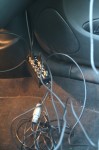
- AIM evo4 Loger. Everthing from the OBD2 CAN plus GPS, extra sensors and accelerometers.
-
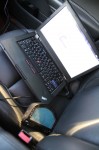
- AIM MXL as a display for wideband, and pressure sensors etc.
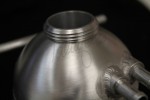
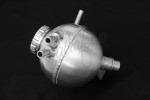
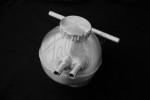
V6 Coolant tank
Here is the final design (for now) uses the classic style coolant cap. Price should be under $190 Strut bar will be following after these and will be the same price as the 4cyl piece. Probably offer 2 finishes. Brushed bare alu or powdercoat texture black.
Custom Steering Wheel Group Buy
Well, its that time again for another custom steering wheel order. As last time the final cost really depends on the volume and the savings on shipping. So these are the starting prices based on 5pcs and if they come in cheaper I will pass it on. Need one for my Turbo X.. Can’t steal the one from my -04 as it’s a different wheel. These are not “off the shelf” parts, they are built to your specifications with custom stitching, carbon even color options for the carbon.
In my Viggen I have a carbon wheel with upgraded grips and raised stitching. I would love to swap it out with a red carbon and stitching version.
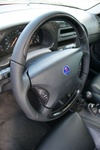
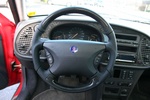
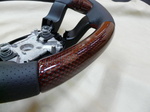
I also have a cheaper stock shape sport wheel recovered with black alcantara and red stitching. Last time around we had some customers with Grey and Red thread that looked sweet. Even Silver carbon to match a factory metal dash.
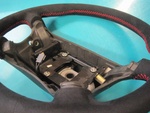
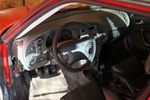
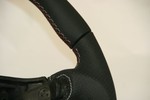
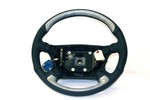
Maybe a special “Viggen’ edition with blue and gold stitching?
Last time around I kept a list on the http://www.genuinesaab.com/CustomSW/ page. Will keep the list here this time. The cores for the sculpted wheels can be plain or sport. Last time I swapped all the Sport wheels with local customers and sent in the plain wheels. It all gets redone anyway no sense in wasting it. The alcantara wheel is not reshaped so it is what it is…. I can get cores from Goldwing, last time they were around $50 since we can take the ugly ones.
STYLE OPTIONS
0) Alcantara only Std shape $375
1) Sculpted without carbon $450
2) Sculpted with carbon: $580
RESERVATIONS
1, Nick TurboX Leather sculpted. Bye GM quality Hello handcrafted…
2, John A Carbon Sculpted Vig
TurboX Intake and Shifter Mods
Heres the prototype intake we have been working on. Just a rough concept part at this stage.
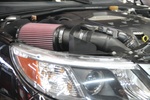
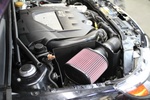
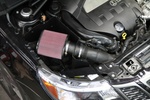
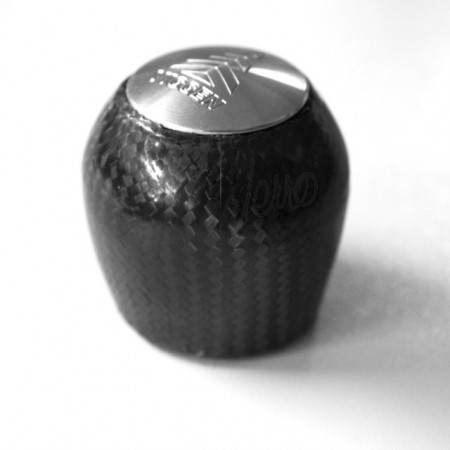
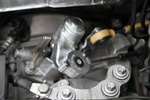
Also If you missed the shifter mod, have a look at the youtube Video. This car is starting to get fun.
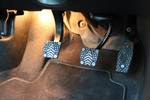
Even threw in a set of Pedals with upcoming install video.
Top day for the Viggen
Filed under: (Nicks) Viggen, Shop, Turbo X, Vintage
Yesterday was quite memorable. Aside from the viggen running exceptionally well spent some time with a long time customer.
They have a well worn Blue -80 900 5d bought new in Germany. We have refitted once already to -87 spec! Lots of miles as a first responder in the mountains. Aside from being a military vet, He was a test driver for the factory Rally cars! Back in the 2-stroke and some v4 days. Awesome stories. Having some recent eye troubles he has been unable to drive, the wife’s driving just wasn’t cutting it. We played with the TurboX around town. The XWD is certainly something. Wanting a little more we took the viggen out on the twisties. I would rank the experience up there in the top 10…
TurboX Strut bar done.
Got the strut bar for my Turbo X done friday. Nice gains. Feels like I added a pound or two to the tires. The stock engine cover still fits.
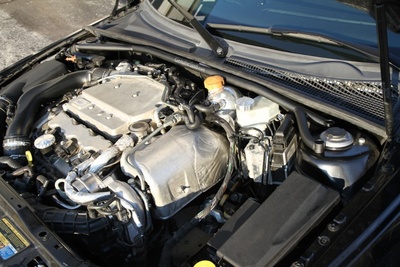
Turbo X, Aero updates..
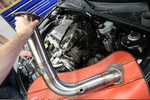
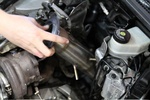 The front Downpipe is done. Includes provisions for retaining all the factory heat shields. They are working on production tooling now. Could have been done cheaper if we threw out the heat shields. There are quite a few heat sensitive components around the downpipe 😉 I will probably still wrap this one.
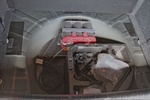 Battery is relocated, stole an old “made in Colorado” Optima from dads v4.. Not had any luck with the mexican made newer optimas. The battery mount is temporary until I can make a permanent setup including the Co2 tank for the clutch. Even added a 50A quick connector for the subwoofer. Underhood and underneath it looks stock. Trying to keep it from looking modified. With the battery gone there were a couple electronics modules that are relocated. Also sorting out the rear suspension. Trying to keep the stock shocks happy.
Getting the rest of the motor parts for the Ecotec4 with a Gt3x something.. Probably start with stock cams and the Gt3071.
K1 Rods, Cometic Gasket, ARP studs, JE pistons, Goldwing motor.. Just to start. But on a nice tiny budget. 🙂
Read: Internal Combustion Engine Fundamentals
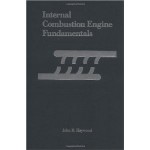 This more on the engineering side but great book. Unfortunaltey the library loan has run out. Since it is used as a textbook figured it might be available used.. Looked into buying it and ouch. If anyone wants to send a good chritmas present.. 😉
Worth getting from the library. At almosst 1K pages its not a magazine.. I liked the part about BMEP limits being either Knock (fuel) or limited by stress. That latter sounds familiar, when the connecting rod is on the floor thats the conrod compressive stress limit right? 😉 ISBN: 978-0070286375 Author: John Heywood
More Tx mods
Fitted the Hirsch Grille over lunch. Reward for a 20hr dyno day Saturday.. 😉 Quite a pain to fit on the newer bumpers. Also a pic of the torque rod insert I have been running since I picked it up. Takes away some of the slop, improves the on off feel. Should have some of these for sale soon fitting XWD 6-speed v6. If you want one sooner just drop an email. Also fitted the Shifter mount kit. Always amazes me the reward for that cheap upgrade.
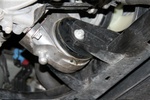
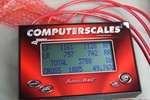
While in I threw it on the scales just to see… No more tacobell for this girl! 3788# with 1/2 tank of fuel. The auto combi must be tanks. No wonder the mileage is poor. Interesting to see the classic saab 60/40 front weight bias. Moving the battery to the trunk should help. That last one just shows a peek at what we are working on.
Delivery pipe took out brake master on a 710whp Saab
Interesting mess on the Dyno when this happens north of 30psi. Brake fluid everywhere. On the road that would have been a ride. 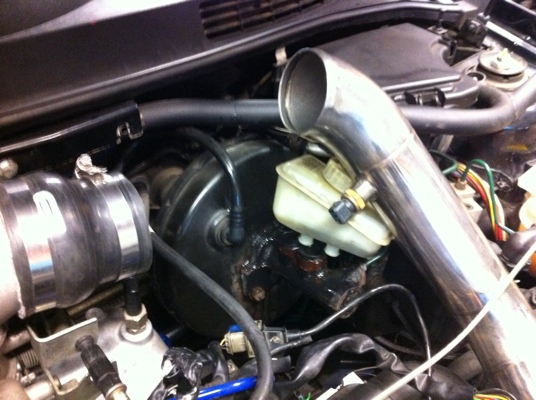
Oh it also made 710whp on a bit less boost than before with the stock head and intake. Used the t5 manifold with larger runners off the 2.3NA project car and the t5/7 CNC head with uprated springs from my Viggen. Youtube Video
The best part is that it was on the piston that ATE 2 valve guides at the dragstrip.. I just used a mill file and smoothed the old piston, knicking the chucks of iron out of the sides… Reused the rings even, bore was a bit ugly but not horrible. Might have made more with fresh rings. Haha..
Me9 BOV -Fail-
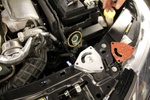 So last week I tried someting on the TX, knew would probably not work well. Had hope since its on low boost still. Did not work, made it quite rich on overrun. The plate fits under the electronic turbo bypass valve. Dumps the returned air to atmosphere to make noise. 😉 If it is going to be my slow saab it better sound mean. Install took 15min but the removal took a bit longer since it was warm.
Coolant tank
Alloy coolant tank complete with level sensor, all original fittings and uses stock cap.
Spent some time after work yesterday machining the fittings and the guys got it all welded up. Been a while since I single point threaded on the manual lathe. Saab and their odd thread profiles on these caps. Still need to terminate the wires and bolt it in. Might spend a few more minutes polishing it but looks nice enough for the test mule. I was going to PC it black texture but there is something about shiny aluminum welds.
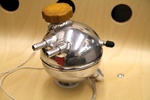
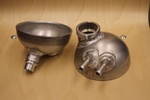
Why? Maybe someone knows…
V6 Xwd Front Pipe…
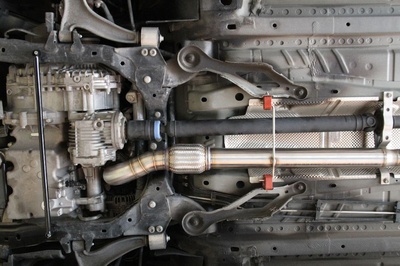
TIG welded in Stainless with smooth transition to stock 65mm Slip fitting. In this case off road “Race” version with no second cat. Not shown is the heat shield for the transfer case. Ran it all weekend. No noises etc. Seems that ecu adapted back after a few miles. Need to work on ME9 when I have time. The welding jigs are done for this pipe, with costs and production starting later in the week.
 Steve bolted on a 2pnt while waiting on Adam to get it welded. Should help keep the transfer case out of the ground when my father takes it offroading, not the fuel tank or spoiler that hang lower. Also a couple poly engine mounts are curing right now. The supplies have been ordered to relocate the battery 😉 But thats only needed for phase 2. The rest I will share when its done. Probably already shared too much.
Turbo X

The right place to find my own Turbo X, a Honda lot in Arkansas! Manual with Touring and Heated Seats. Love the car but the 280hp puts it at the bottom of my turbo Saab HP ranking. Working on that from the day it came back to the shop.. The car will need to be in the 500hp range before I put my name on it. 😉
Adam spent some time on it last week, made it sound pretty nice, picked up a bit of response and power. YouTube Video More on that in a coming post.
The machine shop is working on some new bits for a no compromise strut bar. Now that we have our own V6 it allows us to do more testing to bring my many projects from paper to reality.
Center caps for BBS 52mm Wheels
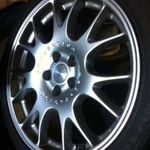 We wedged this into the machine shop schedule today. Had a bit of free time on the Haas Lathe. Not sure where we are headed with the logos yet but the caps fit. They have an o-ring retainer. Should minimum have a Viggen Logo for customers, My car will most likely have my script name. Going to try some epoxy based color inlays too. I am sure there are others out there tired of the broken tabs on the plastic BBS caps.
Saab Convention 2011 Seminar
 Doing the Saab Performance seminar again this year. Now with more media. 😉
Great seeing everyone there.
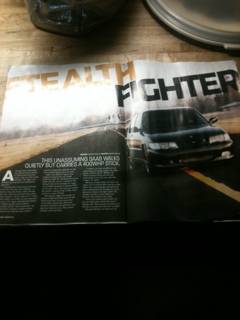
Check out the Sept Eurotuner magazine!
Finally one we built from stock as a feature. I cleaned out the local Barnes and noble. 😉
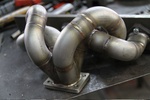
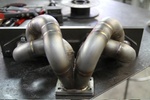
9-3ss Manifold for Gt30 done…
They managed to fit all the puzzle pieces togeter to wedge the GT30 in the B207. Should be in the 400hp range on E85 as soon as we find time to build a motor for it. Will be a basic build. Cams, Pistons etc.
Friday Night Drag Racing Report
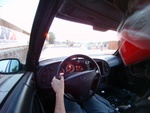 Started with a hot day. Initial runs were high tire pressure and spun a little. As the clutch broke in and I kept lowering the tire pressure the 60ft came down nice to 1.70s on .5bar launching. The mid track was quite poor. Found a APC hose a little crimped and fixed some of it. Still needs some work on the power curve. Maybe with an expensive gearbox it would be plenty fast but again that not the point here to throw $$ at it. BTW the shift light is 8750 in 1st and 8100 from there.
The Video ride along from the GOpro tells the rest of the story. GOPRO VIDEO
Obviously not running the midnight races tonight so have to tear it apart next week. I am getting some miles in it this year. Closing in on a dozen passes or so on the same axles!
-Nick
Wanted: BetaTester with 03-04 Manual 9-3SS
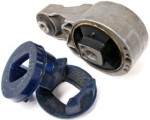 I have a new mount insert for the torque links on a 9-3SS manual gearbox 2003-2004. Looking for a Stg2/3 tuned car with a handy owner and 20 min to spare. Post here or send an email with car details.
-Nick T
+1 Brake Kit for 900/9-3/9-5 Feedback needed
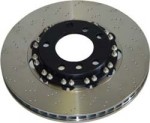 Since the new “norm” for our cars is in the 400whp range the stock brakes are just not enough for most driving styles. Increasing the front capacity is the best method. My biggest gripe with the aftermarket big brake kits is wheel clearance with the fat calipers. I have a couple big brake cars that only one set of my many wheels will fit. Working around this we have some solutions to get more than enough braking in a reasonably priced package. I am not talking the taiwan/ china junk Plenty of experience with that, the WP kit is in the corner of the dyno room with ~6K miles on it. Too scared of the quality to give them away. 🙁 I want a top quality part that i can have 100% confidence in every time be it going to the store or running 150mph+ on the back straight into a 2nd gear corner. Anybody interested in them leave a note here.